
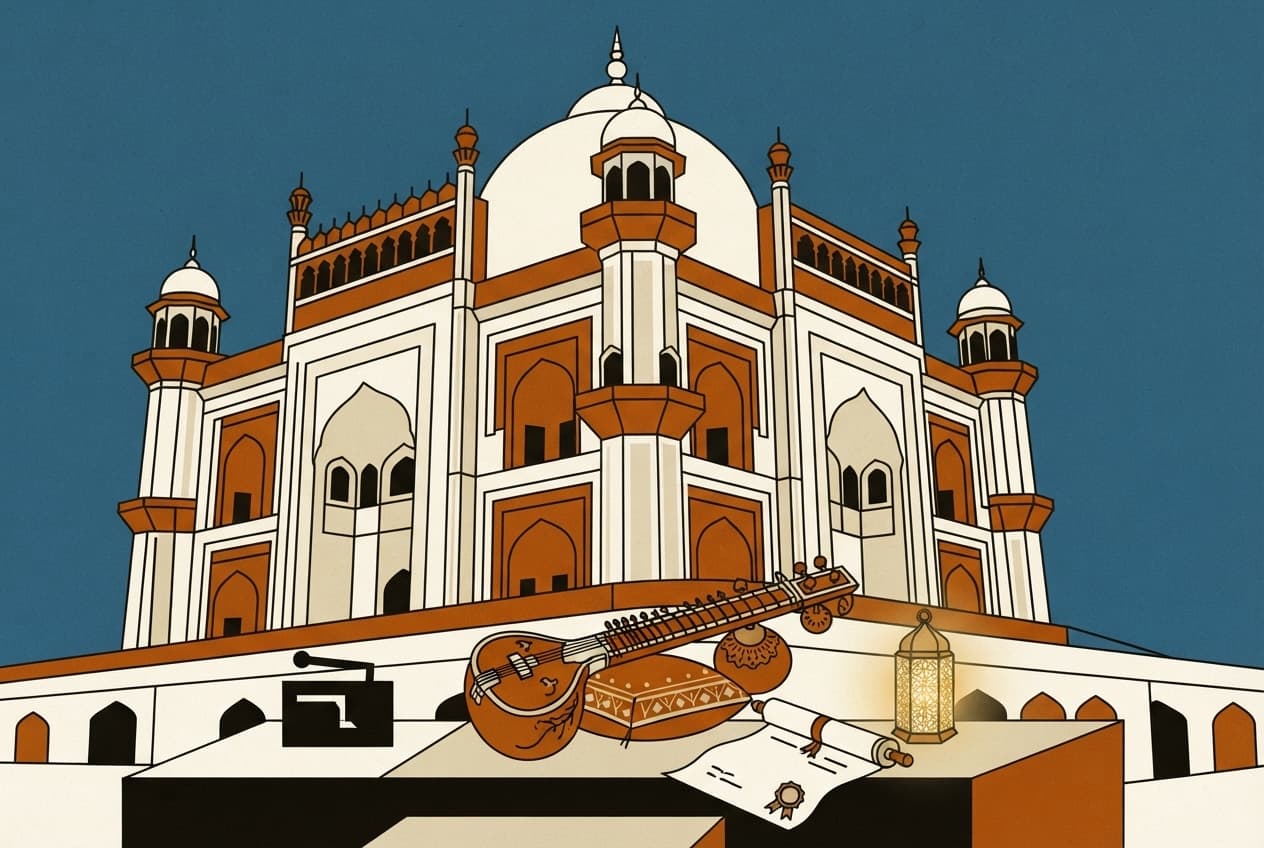
Organizers like Inkpot India and IBTIDA – Ek Mehfil are curating these events, emphasizing the monument itself as a co-star alongside the performers. These gatherings aim to offer attendees an immersive experience, allowing them to connect with history and art in a distinctive setting. The appeal lies in the juxtaposition of contemporary performances against centuries-old architecture, creating an atmosphere difficult to replicate elsewhere.
While the allure of these events is evident, their execution involves navigating complex guidelines from the Archaeological Survey of India (ASI). Initial ASI regulations from 2005 restricted functions at protected sites, favoring classical arts and imposing strict limits on sound, lighting, and crowd size, with a ban on ticketed admissions and commercial activities.
Over time, the ASI has considered allowing more cultural activities, with discussions in 2009 about regular performances at several Delhi monuments. More recently, initiatives like 'Adopt a Heritage 2.0' have invited public and private partnerships to enhance visitor experiences at heritage sites, with organizations designated as 'Smarak Sarthis' to manage these spaces.
Despite the evolving framework, organizers must adhere to ASI's conservation requirements, including strict sound level limits and ensuring events are appropriate for the monument's character and condition. Conservationists stress that the monument's preservation remains paramount, advocating for event scales and types that respect the site's historical and architectural significance.